Introduction: The Gateway of Two Worlds
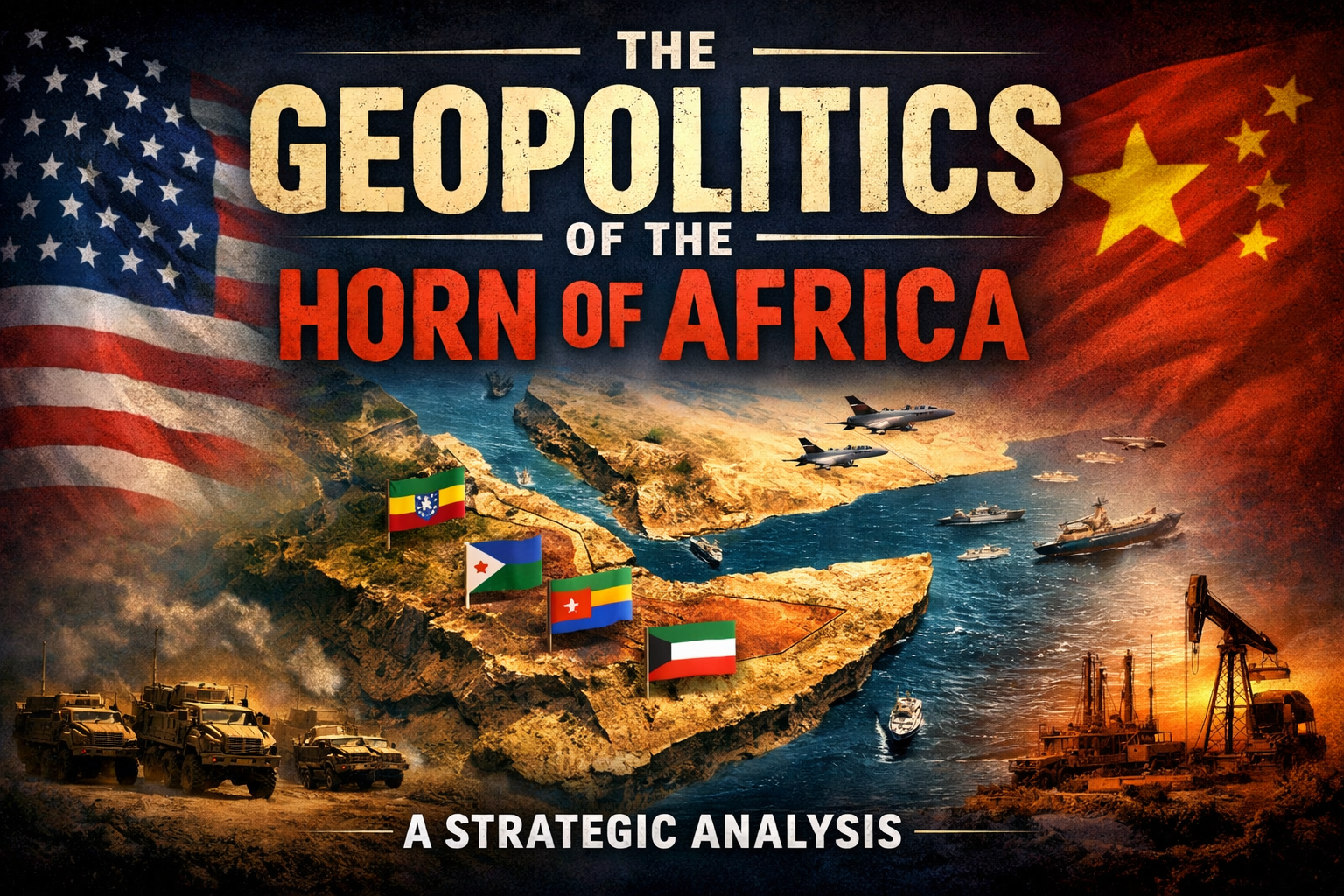
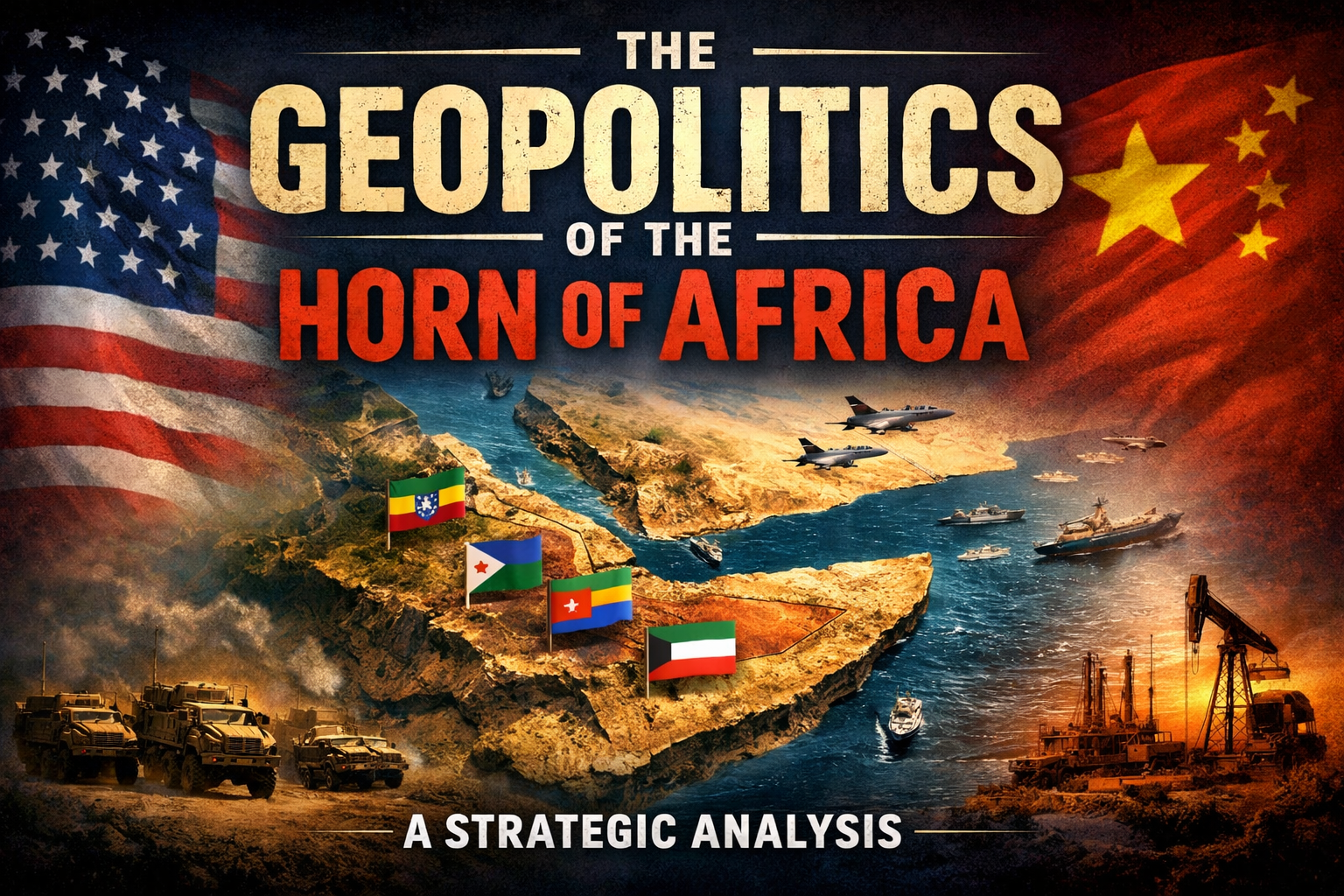
The Horn of Africa, comprising nations such as Somaliahttps://handooracademy.com/siyaasad/, Ethiopia, Eritrea, and Djibouti, stands as one of the most strategically significant regions in the world.
Its unique geographical position at the intersection of the Red Sea, the Gulf of Aden, and the Indian Ocean has made it a focal point for global trade and international diplomacy for centuries. In the contemporary era, the geopolitics of the Horn of Africa is a complex tapestry woven from historical legacies, maritime security concerns, and the competing interests of global superpowers.
To understand the current landscape, one must delve deep into the historical drivers and the modern-day shifts that define this volatile yet vital region.
The Historical Foundations of Regional PowerHistorically, the Horn was a center of ancient civilizations and thriving trade empires. From the Land of Punt to the Aksumite Empire, the region has always been a hub for the exchange of goods and ideas between Africa, Arabia, and the Far East. However, the 19th-century “Scramble for Africa” fundamentally altered the regional dynamics. Colonial borders were drawn with little regard for ethnic homogeneity or traditional social structures, creating long-standing territorial disputes that continue to haunt regional stability today.
The post-colonial era saw these nations grappling with the challenges of nation-building while being used as pawns during the Cold War. The shift from Soviet to Western influence and vice versa established a precedent for external intervention that remains a cornerstone of the region’s geopolitical reality.
Maritime Security and the Red Sea CorridorOne of the primary drivers of international interest in the Horn is maritime security. The Bab-el-Mandeb Strait, a narrow passage between Yemen and Djibouti, is one of the world’s most critical maritime chokepoints. Approximately 10% of global seaborne trade and massive amounts of energy exports pass through this corridor daily.Because of this, we have seen a proliferation of foreign military bases in the region, particularly in Djibouti.
The presence of the United States, France, China, and Japan in a single small nation underscores the global consensus that the Horn is too important to be left unmonitored. For a website like Handoor Academy, analyzing these military presences provides a rich subject for political and historical discussion.
Resource Competition: The Nile and BeyondBeyond maritime routes, the internal geopolitics of the Horn is heavily influenced by resource competition. The most prominent example is the dispute over the waters of the Nile. The construction of the Grand Ethiopian Renaissance Dam (GERD) has redefined relations between Ethiopia, Egypt, and Sudan.
Water security is not just an environmental issue; it is a matter of national survival and regional hegemony. Furthermore, the discovery of potential oil and gas reserves in the Somali Basin has added another layer of complexity. International oil companies and regional neighbors are keeping a close eye on these developments, which could either be a catalyst for economic prosperity or a fuel for further domestic and regional friction.
The Role of International Diplomacy and IGADhttps://igad.int/ Regional organizations, such as the Intergovernmental Authority on Development (IGAD), play a crucial role in mediating conflicts, though their effectiveness is often hampered by the divergent interests of member states. Diplomacy in the Horn is a “zero-sum game” where the gain of one actor is often perceived as a loss for another.However, recent shifts in diplomacy, such as the rapprochement between Ethiopia and Eritrea, showed that local leadership can sometimes overcome decades of stalemate. The challenge remains in creating a collective security framework that prioritizes regional stability over individual national gains.
Conclusion: The Path ForwardThe geopolitics of the Horn of Africa is at a crossroads. While the region remains plagued by challenges such as climate change, terrorism, and political instability, its potential as a global trade hub is undeniable. For the international community, the Horn is a region of necessity; for the people living within it, it is a homeland seeking a balance between its rich history and a peaceful, prosperous future. Understanding this region requires looking beyond the headlines and recognizing the deep-seated historical and strategic factors at play.